Most electrical panels last between 25 and 40 years, depending on electrical demand, installation quality, environmental conditions, and maintenance. Some panels continue operating reliably beyond that range, while others may require replacement sooner due to heavy usage or aging components.
Understanding the warning signs of panel failure and the factors that affect lifespan can help homeowners plan ahead, improve safety, and avoid unexpected electrical issues.
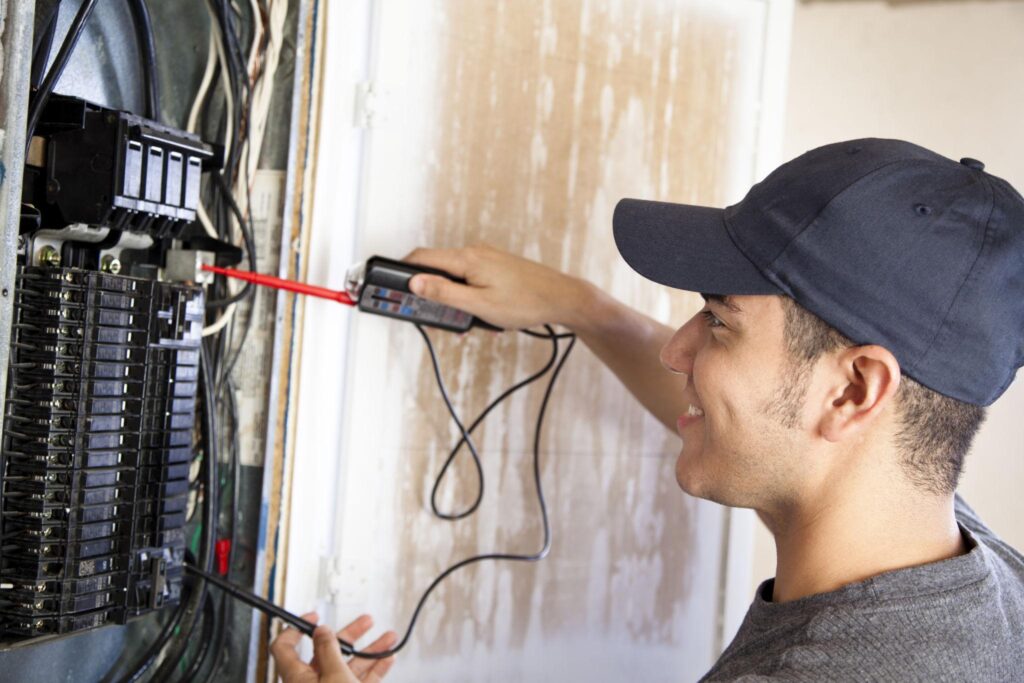
Average Electrical Panel Lifespan
The 25 to 40 year range gives homeowners a practical benchmark, not a hard expiration date. Some panels hold up longer when conditions are good and maintenance is consistent. Others wear out earlier when they’ve been pushed past their limits or exposed to moisture and heat.
Older systems tend to differ from newer panels in meaningful ways. Many homes built before the 1990s still rely on fuse boxes or lower-capacity panels that were never designed for today’s electrical demands. Modern households run more devices simultaneously than ever before, from smart appliances and home offices to EV chargers and whole-home HVAC systems. A panel that was adequate in 1975 may be significantly underpowered now.
Factors That Affect Electrical Panel Lifespan
Age alone doesn’t tell the whole story. A 30-year-old panel in a modest, well-maintained home may still be performing reliably, while a 15-year-old panel in a high-demand household could already be showing signs of stress. Several factors shape how long a panel actually lasts:
- Electrical load and demand. Homes with heavy electrical loads, including multiple large appliances, EV chargers, and HVAC equipment, put consistent strain on a panel over time. The more a panel is pushed, the faster it ages.
- Quality of installation. A panel installed with loose connections or substandard workmanship may fail well before its expected lifespan. Good installation matters as much as the equipment itself.
- Environmental conditions. Humidity, moisture, salt air, and temperature swings can corrode internal components and shorten panel life significantly. Panels in garages, basements, or coastal climates face these risks more than others.
- Maintenance and inspections. Regular professional inspections can catch small problems, like loose connections or early rust, before they become serious safety concerns.
- Panel capacity vs. modern usage. A panel sized correctly for a 1980s household may be consistently overworked in a home that has added square footage, major appliances, or technology that didn’t exist when the panel was first installed.
Warning Signs an Electrical Panel Is Failing
Your panel won’t always announce trouble loudly, but it does send signals. Knowing what to look for helps you catch a problem early and avoid a more costly situation later.
- Frequent breaker trips. An occasional tripped breaker is normal. If it’s happening regularly on the same circuit, or across multiple circuits, the panel may be overloaded or a breaker may no longer be functioning correctly.
- Flickering or dimming lights. Lights that dim or flicker when a large appliance kicks on are worth paying attention to. This kind of unstable power delivery can point to a panel struggling under demand.
- Burning smell or heat near the panel. A warm panel door, a faint burning smell, or any sign of scorch marks should be treated as urgent. These symptoms can indicate overheating or an arcing connection inside the panel.
- Rust or corrosion. Visible rust means moisture has found its way in, and moisture and electricity are a dangerous combination. Corrosion can damage internal components quietly over time.
- Outdated fuse box systems. If your home still uses a fuse box rather than a breaker panel, it’s worth discussing with a licensed electrician. Older fuse box systems may not support modern household electrical demands as effectively as newer breaker panels.
Maintenance Tips to Extend Electrical Panel Life
You can’t stop time, but you can slow down wear with some basic habits and preventive care.
- Keep the panel area dry and accessible. Moisture is one of the biggest threats to panel longevity. Make sure there’s no plumbing, condensation, or water source nearby, and keep the area clear enough for easy access during inspections or emergencies.
- Schedule periodic professional inspections. Older homes, especially those over 20 years old, benefit from electrical inspections every one to two years. Newer homes may go longer between checks, but routine inspections are still a smart part of any home maintenance plan.
- Avoid overloading circuits. High-demand appliances like dryers, refrigerators, and air conditioners should be on dedicated circuits when possible. Running too many devices off the same circuit consistently increases wear on both the breaker and the panel.
- Upgrade components when needed. If a breaker trips repeatedly, wiring connections look worn, or labels inside your panel are missing or illegible, address those issues promptly. Small targeted repairs can extend the life of an otherwise sound panel.
Repair vs. Replace an Electrical Panel
This decision comes down to a few key factors: the panel’s age, its current condition, your home’s electrical demands, and the long-term cost of each path.
If the panel is relatively modern and the problem is isolated, such as a single faulty breaker, repair is usually the right call. A licensed electrician can replace that component quickly, and the panel can continue to serve the home reliably.
Replacement becomes the more practical choice when the panel is 25 years old or older, shows signs of rust or heat damage, still uses fuses rather than breakers, or can no longer support the home’s electrical needs. An aging panel that requires repeated repairs can cost more over time than a single, properly sized replacement.
Safety is also worth weighing carefully. An older panel showing multiple warning signs isn’t just an inconvenience; it may present increased safety concerns. When there’s any question about whether your panel is operating safely, a professional evaluation is the right first step.
Homeowners may also want to compare replacement timelines across other major home systems before making a final decision.
FAQs
How long do electrical panels usually last?
Most electrical panels last between 25 and 40 years. Lifespan varies depending on installation quality, how much electrical demand the home places on the panel, maintenance history, and environmental conditions like moisture or humidity.
When should an electrical panel be replaced?
A panel should be considered for replacement if it is 25 years old or older, frequently trips breakers, shows rust or heat damage, uses a fuse system rather than breakers, or can no longer meet the home’s current electrical demands.
What causes electrical panels to fail early?
Common causes include consistent overloading, poor initial installation, moisture exposure, corrosion, and lack of regular inspection or maintenance.
Is it safe to keep an old electrical panel?
Age alone doesn’t make a panel unsafe, but older panels should be inspected more frequently, especially in homes with high electrical demand or any visible warning signs like rust, heat, or repeated tripping.
Do modern homes require panel upgrades?
Many do. Adding large appliances, finishing a basement or garage, installing an EV charger, or expanding square footage can push a panel beyond what it was originally designed to handle. A licensed electrician can assess whether an upgrade makes sense for your specific situation.
Conclusion
Electrical panels are built to last, but they’re not built to last forever. The 25 to 40 year range gives homeowners a useful starting point, though real lifespan depends just as much on usage, installation quality, and environmental conditions as it does on age. Warning signs like frequent tripping, flickering lights, heat, rust, or an outdated fuse system deserve prompt attention.
Routine inspections and basic upkeep can keep a healthy panel running longer, but as age and wear accumulate, replacement may become the more practical long-term option. Knowing where your panel stands today means fewer surprises down the road.
Leave a Reply