That old furnace in your basement has carried your family through years of winter mornings and long, cold nights. Lately, though, you may be wondering how much time it has left. Most furnaces last 15 to 20 years, but real lifespan depends on how well the system is maintained, how often it runs, and whether it was installed correctly.
This article breaks down what affects furnace longevity, the early warning signs that trouble is coming, and the practical steps you can take to extend your system’s life. No furnace lasts forever, but knowing what to expect makes it easier to plan ahead instead of facing an unexpected breakdown during the coldest week of the year.
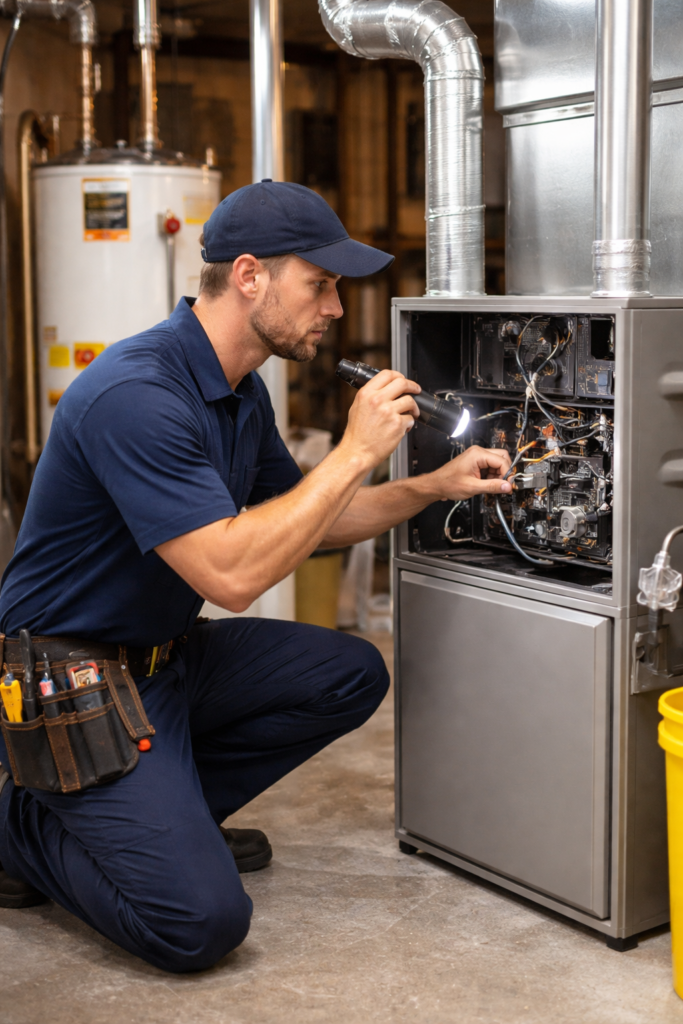
Average Furnace Lifespan
Most furnaces fall within these general lifespan ranges:
- Gas furnaces: 15–20 years
- Electric furnaces: 20–30 years
- Oil furnaces: 15–20 years
These are averages, not guarantees. If you live in a mild climate, a well-maintained furnace may last longer than expected, while a neglected system in a colder region may wear out faster. Installation quality also plays a major role. Even a new furnace can fail early if it wasn’t sized or installed properly. How much use it gets matters too. Furnaces that run more often during long winters experience more wear and tear on internal components, which can shorten their overall lifespan.
Factors That Affect Furnace Lifespan
Several variables influence how long a furnace lasts. The most important include:
- Maintenance frequency: A yearly tune-up can catch small problems before they become big failures. Skipping maintenance is like driving your car but never changing the oil; things will break sooner.
- Climate and usage patterns: Furnaces in Minnesota work harder and longer than those in Tennessee. More runtime means more wear on components.
- Installation quality: A furnace installed incorrectly will struggle from day one. Poor ductwork, wrong sizing, or sloppy connections shorten lifespan significantly.
- Air filter changes: Dirty filters force your furnace to work harder, straining the blower motor and heat exchanger. This simple task affects longevity more than most homeowners realize.
- Thermostat settings: Constantly turning the thermostat up and down creates more start-stop cycles, which wear out parts faster than steady operation.
- Home insulation: A drafty house makes your furnace run more often to maintain temperature, adding unnecessary stress to the system.
A furnace that runs constantly due to poor insulation or aggressive thermostat settings will experience more stress than one operating under balanced conditions. Disregarding routine maintenance allows small issues to snowball into larger, system-wide failures over time.
Warning Signs Your Furnace Is Failing
As furnaces age, performance issues often appear gradually. Common warning signs include:
- Unusual noises: Banging, screeching, or rattling sounds signal loose parts, motor problems, or failing igniters.
- Yellow pilot light: A healthy gas furnace pilot light burns blue. Yellow or flickering flames suggest incomplete combustion and possible carbon monoxide issues.
- Uneven heating: Some rooms are cold while others are warm, indicating ductwork problems or a failing blower motor.
- Rising energy bills: A sudden spike in heating costs means your furnace is working harder to produce the same warmth.
- Frequent repairs: Multiple repair visits in one season is a clear sign your furnace is ready to retire.
- Excessive dust or dry air: When your furnace can’t properly circulate or filter air, you’ll notice more dust settling on surfaces and drier indoor conditions.
Older furnaces may also struggle to maintain comfort during very cold weather. If multiple warning signs appear at once, the system may be nearing the end of its usable life.
Maintenance Tips to Extend Furnace Life
You can’t make your furnace immortal, but these habits will push it toward the upper end of its lifespan:
- Schedule annual professional inspections: Have a technician check your system every fall before heating season starts. They’ll clean components, test safety features, and catch problems early.
- Change filters religiously: Replace standard filters every 1 to 3 months during heating season. Set a phone reminder if you need to, because this simple step prevents so many expensive problems.
- Keep vents and registers clear: Don’t block airflow with furniture, drapes, or storage boxes. Your furnace needs good circulation to work efficiently.
- Clean around the furnace: Dust and debris near the unit can get sucked into the system. Keep the area swept and clear.
- Monitor the thermostat: Invest in a programmable or smart thermostat to reduce unnecessary cycling. Steady temperatures are easier on your furnace than constant adjustments.
- Check the flame: Gas furnace owners should peek at the burner flame occasionally. It should be steady and blue; call for service if it’s yellow or dancing around.
- Listen to your furnace: Familiar sounds are fine, but new noises deserve investigation. Catching a problem at the first strange sound can save hundreds in repairs.
- Seal ductwork: Leaky ducts waste heated air and make your furnace work overtime. Check accessible ducts for gaps and seal them with proper metal tape (not duct tape, which fails over time).
Annual inspections help identify worn parts, airflow problems, and safety concerns before they cause major damage. Consistent maintenance not only extends furnace life but also improves efficiency and reliability.
Repair vs Replace: How to Decide
Deciding whether to repair or replace a furnace depends on several practical considerations.
Age is a major factor. Furnaces approaching or exceeding 15 years are more likely to experience frequent breakdowns and declining efficiency. Once your furnace crosses 15 years and starts acting up, replacement usually makes more sense than pouring money into repairs. If a system is still relatively young, repairs may make sense.
Repair frequency also matters. A furnace that needs repeated service calls often signals deeper mechanical wear. Multiple repairs within a short period usually indicate replacement is the more cost-effective option.
Safety issues should never be ignored. Cracked heat exchangers, carbon monoxide concerns, or persistent ignition problems are strong reasons to replace a furnace rather than continue repairs. Homeowners may also want to compare replacement costs across major home systems before making a final decision. This broader view helps prioritize upgrades and plan for long-term expenses.
FAQs
How long do gas furnaces last compared to electric?
Gas furnaces typically last 15 to 20 years, while electric furnaces can push 20 to 30 years. Electric models last longer because they have fewer mechanical parts and no combustion process that degrades components over time.
Does annual maintenance really make a difference?
Absolutely. Studies show that well-maintained furnaces last 5 to 10 years longer than neglected ones. Annual tune-ups catch minor issues before they cause major damage, keep efficiency high, and ensure safe operation.
What’s the most common reason furnaces fail early?
Neglected maintenance tops the list. Dirty filters and skipped tune-ups cause most premature furnace deaths. The second biggest culprit is improper installation, which creates problems that compound over time.
Should I replace my furnace if it’s still working?
If it’s over 15 years old, consider replacing it with an ENERGY STAR-certified furnace, which is 15% more efficient than a conventional furnace. Proactive replacement allows you to choose timing, compare options, and often catch better deals than emergency replacements during winter.
How do I know if my furnace is the right size for my home?
An oversized or undersized furnace will fail faster than one properly matched to your home. If your furnace cycles on and off frequently (short cycling) or runs constantly without reaching the set temperature, sizing might be wrong. A professional load calculation can determine correct sizing.
Looking Ahead
Furnace lifespan isn’t just about age. While many systems last 15 to 20 years, how long yours runs comfortably depends on maintenance habits, usage patterns, and installation quality. Paying attention to early warning signs and keeping up with routine care gives homeowners more control over timing and costs. And when repairs start piling up, knowing when replacement makes more sense helps you avoid emergency decisions during the coldest part of the year.
Leave a Reply