Your roof protects your home from rain, wind, and sun every single day. But like any major system, it eventually wears down. Knowing when that time comes can save you from emergency repairs or surprise replacement costs.
Most roofs last 15 to 75 years, depending on material, climate, and care. Asphalt shingles top the list for popularity but bottom out around 20 years. Metal and slate stretch toward half a century or more.
This guide covers realistic lifespans, what shortens them, warning signs to watch, and how to decide between fixing or replacing.
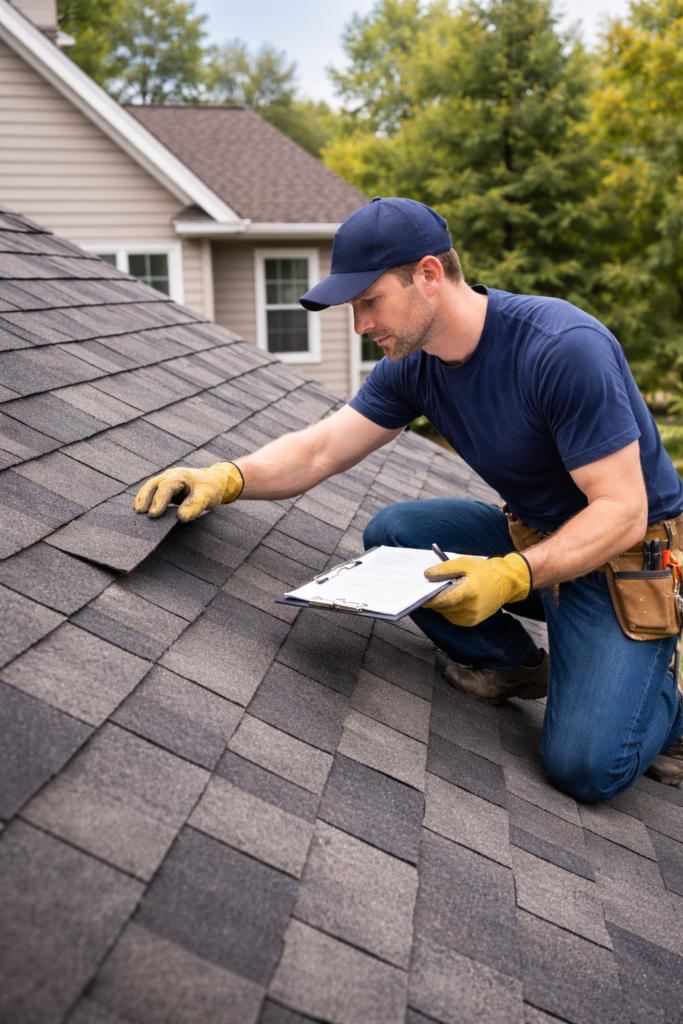
Average Roof Lifespan by Material
Roof lifespan varies widely by material choice. Each type handles weather, temperature swings, and wear differently. This creates realistic ranges rather than fixed numbers.
Asphalt shingles: 15 to 25 years for 3-tab, 20 to 30 years for architectural (thicker) versions. Most common choice due to low upfront cost.
Metal roofs: 40 to 70 years. Standing seam and premium panels hit the high end. Exposed fastener types last closer to 40 years.
Concrete/clay tile: 50 to 100 years. Heavy-duty but requires a strong roof structure. Common in warm/dry climates.
Wood shake/shingles: 20 to 40 years. Natural cedar ages beautifully but needs fire-retardant treatment and regular maintenance.
Slate: 75 to 200 years. True lifetime material if installed properly. Very heavy and expensive upfront.
Factors That Affect Roof Lifespan
No two roofs age exactly the same. Real-world conditions push each material toward the low or high end of its range.
- Climate: Heavy rain, snow, hail, high winds, and intense sun all accelerate wear. Freeze-thaw cycles crack tiles. Coastal salt air corrodes metal.
- Installation quality: Poor underlayment, flashing, ventilation, or deck prep leads to premature failure regardless of material.
- Attic ventilation: Trapped heat and moisture rot wood components and shorten shingle life by 5 to 10 years.
- Maintenance habits: Tree branches, debris buildup, and unchecked leaks compound damage over time.
- Roof pitch and orientation: Steeper roofs shed water/snow better. South-facing slopes bake under summer sun.
- Local storms: Hail-damaged shingles need spot repairs. High winds lift edges and create leak paths.
Warning Signs a Roof Is Failing
Roofs rarely collapse without warning. Spotting these issues early gives you time to budget and plan rather than scramble during storms.
- Missing or curling shingles: Wind damage or age creates gaps where water enters.
- Granule loss in gutters: Asphalt shingle coating wears off. This exposes the mat to UV damage.
- Interior water stains: Ceiling spots or wall damage signal active leaks.
- Daylight through roof boards: Attic inspection reveals pinholes or separated seams.
- Sagging roof deck: Structural failure from rot or overloading. Especially after heavy snow.
- Damaged flashing: Rusted, loose, or cracked seals around chimneys, vents, and skylights.
- Algae/moss streaks: Black streaks signal poor ventilation and trapped moisture.
- Frequent interior leaks: Multiple patched areas indicate system-wide failure.
Maintenance Tips to Extend Roof Life
Simple habits add years to any roof. Most tasks take under an hour quarterly. Others need basic tools or seasonal attention.
- Trim overhanging branches 6+ feet from the roof edges. This prevents abrasion and debris buildup.
- Clear gutters and downspouts 4x yearly. Especially the fall leaf season and spring pollen.
- Gently remove heavy debris with a leaf blower or soft broom. Never pressure wash.
- Inspect after major storms for loose/missing pieces, damaged flashing, or granule loss.
- Check attic for daylight, wet insulation, or rot around vents/chimney annually.
- Ensure proper attic ventilation. Soffit + ridge vents prevent heat/moisture buildup.
- Schedule a professional inspection every 3 to 5 years for hard-to-see areas like valleys and flashing.
Repair vs Replace a Roof
Deciding between repair and full replacement often boils down to age, damage scope, and repair history. A 10-year-old roof with scattered leaks might warrant spot fixes. A 25-year-old roof with the same issues usually needs replacing.
Signs to repair (if under half the roof’s expected life):
- Isolated storm damage (hail, fallen branches)
- Single valley or flashing failure
- Handful of cracked/missing shingles
Signs to replace:
- Age exceeds 80% of material life (20+ years for asphalt, 40+ for metal)
- Multiple leak locations or recurring repairs
- Granule loss across 50%+ of the surface
- Sagging decking or widespread rot
Homeowners may also want to compare replacement timelines across other major home systems before making a final decision.
$1,000 repair rule: If a single repair quote exceeds typical annual maintenance costs by 5x, consider full replacement. Especially on older roofs.
FAQs
How long do asphalt shingle roofs last?
Most asphalt shingle roofs last 15 to 30 years. 3-tab shingles trend toward 15 to 20 years. Thicker architectural versions reach 25 to 30 years with good maintenance. Harsh climates or poor ventilation cut 5 to 10 years off either end.
Can roof repairs extend lifespan significantly?
Spot repairs buy 3 to 7 years on roofs under half their expected life. Beyond 70 to 80% of material lifespan, repairs become temporary fixes. Recurring leaks signal underlying material failure.
What shortens the roof’s lifespan the most?
Poor attic ventilation traps heat/moisture. This cuts shingle life by 30%. Tree damage, unchecked leaks, and heavy debris accelerate wear across all materials. Coastal salt air corrodes metal 2x faster.
Do roof coatings extend lifespan?
Coatings restore UV protection and waterproofing to asphalt shingles. They often add 5 to 10 years to mid-life roofs. Not effective on severely worn or curling shingles. Metal roofs rarely need coatings.
How often should I inspect my roof?
Quarterly homeowner walk-arounds after storms plus annual attic check. Professional inspection every 3 to 5 years catches issues early. Trees nearby? Monthly visual checks prevent branch damage.
Does roof color affect lifespan?
Dark colors absorb 20 to 40% more heat. They accelerate shingle aging by 2 to 5 years in hot climates. Reflective light/medium colors extend life slightly. Metal roofs are less affected due to thermal expansion design.
Final Thoughts
Roofs last anywhere from 15 to 75+ years, depending on material, climate, installation, and care. Asphalt shingles lead in popularity but lag in durability. Metal and slate deliver multi-generational protection. Regular maintenance, early leak detection, and realistic repair-vs-replace decisions maximize value from any roof type. Watch for granule loss, interior stains, or frequent repairs. Your biggest clues that replacement time approaches.
Leave a Reply