If your air conditioner has been humming along for years, you’ve probably wondered: how much longer will this thing last? It’s a fair question, especially when you’re trying to plan for big expenses or avoid getting stuck without cool air during a heat wave.
Most residential air conditioners last around 10–20 years, depending on the type of system and how well you take care of it. Central systems and ductless mini-splits tend to last toward the higher end of that range, while window and portable units usually wear out sooner. Let’s break down what affects lifespan, what warning signs to watch for, and how to keep your system running as long as possible.
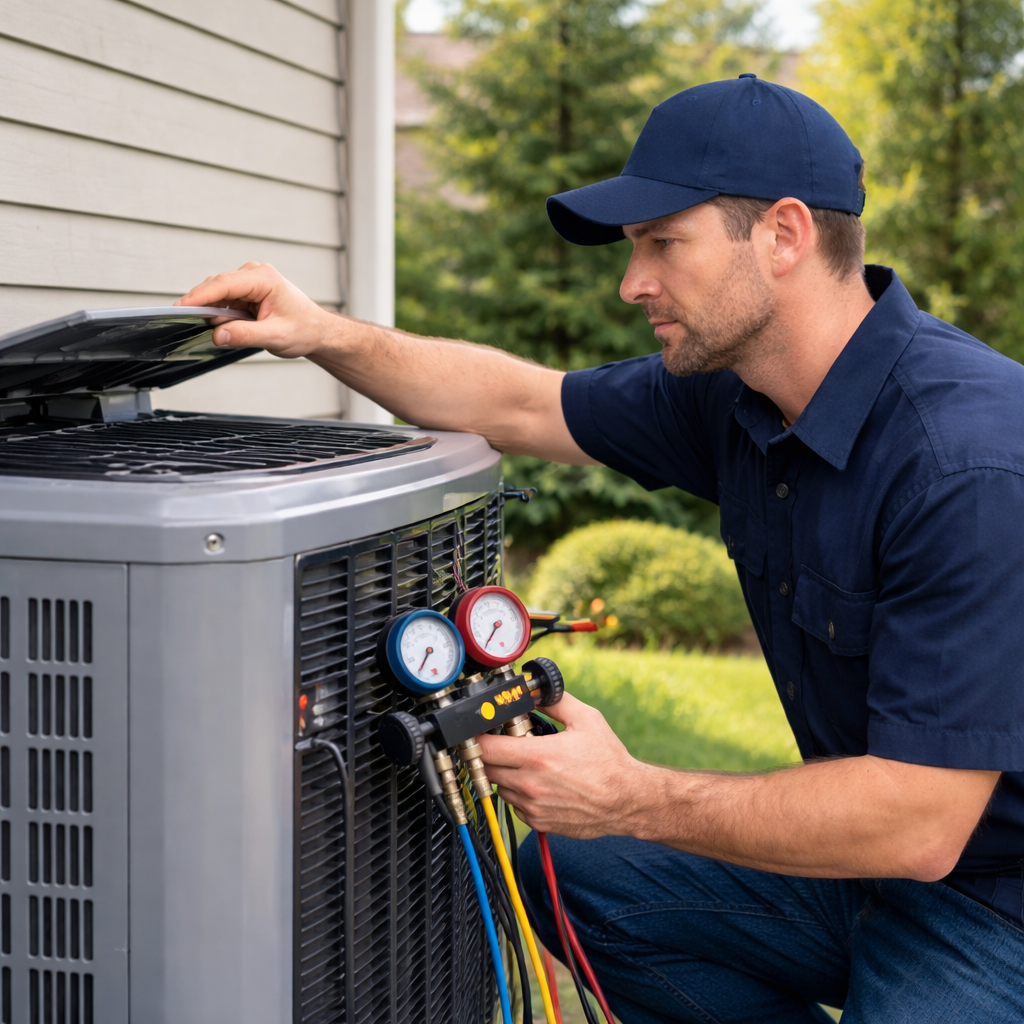
Average Air Conditioner Lifespan
Air conditioner lifespan is usually given as a range rather than a single number. That’s because usage, climate, and maintenance can swing the outcome by several years either way. Still, some clear averages have emerged from industry guidance and homeowner data.
Here’s what you can typically expect by system type:
Central air conditioners (split systems): About 10–15 years on average, with many well-maintained units reaching 15–20 years.
Ductless mini-split systems: Often 15–20 years, thanks to efficient design and less ductwork loss.
Air-source heat pumps used for cooling: Typically around 10–15 years, sometimes longer in moderate climates and with good maintenance.
Window AC units: Commonly about 8–10 years, with some guidance as low as 5–8 years in heavy use situations.
Portable AC units: Often 5–10 years, since they run hard and are more exposed to wear.
Factors That Affect Air Conditioner Lifespan
Several real-world factors push your system toward either the shorter or longer end of the lifespan range. Paying attention to these can help you get more years from your equipment.
Key factors include:
- Usage: Systems that run many hours per day in long, hot summers see more wear than units used lightly in milder climates.
- Climate: High heat, humidity, salty coastal air, dust, and pollution all increase strain and corrosion on outdoor units.
- Maintenance: Regular filter changes, coil cleaning, and annual professional service help prevent breakdowns and keep components from working harder than necessary.
- Installation quality: Correct sizing, proper refrigerant charge, and good airflow design are critical for long-term reliability.
- Home envelope: Poor insulation and air leaks force the AC to run longer to maintain comfort, shortening its life.
- System type and build quality: Different designs and component quality levels naturally have different durability profiles.
Warning Signs an Air Conditioner Is Failing
Most systems don’t fail overnight without warning. Instead, performance and reliability usually fade over time. Catching these signs early can give you time to plan rather than react in an emergency.
Common warning signs include:
- Reduced cooling performance: Rooms feel warmer or more humid, or the system struggles to reach the thermostat set point.
- Uneven temperatures: Hot and cold spots appear around the home, even after basic airflow checks like opening vents.
- Unusual noises: New rattling, grinding, buzzing, or squealing sounds from the indoor or outdoor unit.
- Rising energy bills: Utility costs climb without changes in usage or electric rates, suggesting the system is working harder.
- Frequent repairs: Multiple service calls in a single cooling season or recurring issues with the same components.
- Short cycling or constant running: The unit turns on and off rapidly, or it seems to run almost nonstop during typical weather.
- Noticeable odors: Musty smells can indicate moisture issues, while burning or electrical odors may point to overheating components.
Maintenance Tips to Extend Air Conditioner Life
Consistent maintenance is one of the most effective ways to extend air conditioner lifespan and maintain efficiency. Many tasks are homeowner-friendly, while others are best left to a licensed technician.
Helpful maintenance habits include:
- Change or clean filters every 1–3 months during the cooling season, or more often in dusty homes or if you have pets.
- Keep outdoor units clear by trimming vegetation back at least 2–3 feet and removing leaves, grass clippings, and debris.
- Gently clean supply and return grilles and ensure vents are open and unobstructed by furniture or rugs.
- Schedule professional service about once a year so a technician can check refrigerant levels, electrical connections, and overall operation.
- Ask the technician to clean coils, inspect the condensate drain, and test safety controls to prevent leaks and shutdowns.
- Use a programmable or smart thermostat to avoid extreme temperature swings and reduce unnecessary runtime.
- Improve home insulation and air sealing where practical so the AC doesn’t have to work as hard to keep the home comfortable.
Repair vs Replace an Air Conditioner
Deciding whether to repair or replace an air conditioner often comes down to age, repair cost, comfort, and energy use. A simple rule is that older systems with expensive or repeated repairs are usually better candidates for replacement.
Many HVAC professionals use a “repair cost × age” rule of thumb: multiply the estimated repair cost by the age of the unit in years, and if the total exceeds a target number (for example, 5,000), replacement often makes more financial sense.
Other practical decision points include:
System age: If a central AC or heat pump is over about 10–15 years old, it’s likely near or past its typical service life.
Repair frequency: Frequent breakdowns or repeated repairs on major components (like the compressor) indicate a system at the end of its useful life.
Repair cost vs value: If a single repair approaches 50% of the cost of a new system, many experts recommend replacement, especially for older units.
Comfort and indoor air quality: Ongoing hot spots, poor humidity control, or excessive noise can justify an upgrade even if the system still runs.
Energy efficiency: Newer systems often use significantly less energy than older models, which can lower utility bills over time.
Homeowners may also want to compare replacement timelines across major home systems before making a final decision.
When replacement is chosen, ensuring correct system sizing and professional installation is essential to protect the investment and achieve the expected lifespan.
FAQs
How long do central air conditioners last?
Most central air conditioners last around 10–15 years, with many reaching 15–20 years when properly maintained and used under typical conditions. Harsh climates, heavy usage, and poor maintenance can shorten that range, while good care can sometimes add a few extra years.
How long do window air conditioners last?
Window air conditioners generally last around 8–10 years, with some guidance suggesting a shorter 5–8 year span in demanding situations. Once a unit in that age range starts having performance issues, repair is often less practical than replacement due to the cost and availability of parts.
Does annual maintenance really matter?
Annual or regular professional maintenance helps keep components clean, catch small issues early, and maintain proper refrigerant charge, all of which support longer equipment life. Many sources note that well-maintained systems are more likely to reach the upper end of their lifespan range and operate more efficiently.
Can an air conditioner last 20 years?
Some central air conditioners and ductless systems do reach or exceed 20 years, especially in moderate climates with careful maintenance and lighter usage. However, by that age, many units are significantly less efficient than current models, so replacement is often recommended even if the system still runs.
When should I replace my air conditioner instead of repairing it?
Replacement is commonly recommended when the system is over about 10–15 years old and needs a major or repeated repair, or when the repair-cost-times-age rule exceeds a threshold like 5,000. Rising energy bills, comfort problems, and frequent breakdowns are additional signs that replacement may be the more practical long-term choice.
What can shorten an air conditioner’s life?
Heavy daily use, very hot or corrosive climates, lack of maintenance, incorrect installation, poor home insulation, and blocked airflow can all shorten an air conditioner’s life. Running the system with dirty filters or low refrigerant for extended periods also increases wear on critical components like the compressor.
Conclusion
Most homeowners can expect their air conditioner to last roughly 10–20 years, with the exact lifespan shaped by system type, climate, usage, and maintenance habits. Watching for warning signs, investing in routine care, and using simple decision rules around age and repair costs can help determine when repair or replacement makes the most sense. With a bit of attention and planning, it’s possible to get reliable comfort from an air conditioner while avoiding surprise failures during peak summer heat.
Leave a Reply