Most home plumbing pipes can last anywhere from 20 to 70+ years depending on the material, water quality, installation, and maintenance. Some materials, like copper and CPVC, are designed for decades of use, while older galvanized steel systems may fail much sooner.
Understanding the expected lifespan of different plumbing pipe materials and recognizing early warning signs of failure can help homeowners plan ahead, avoid water damage, and reduce the risk of costly repairs.
Unlike items in your refrigerator, plumbing pipes don’t come with a simple expiration date. How long they last depends a lot on their composition, and different materials can vary by decades. Knowing what your pipes are made of puts you in a much better position to plan ahead, budget wisely, and avoid surprises that often happen at the worst possible time.
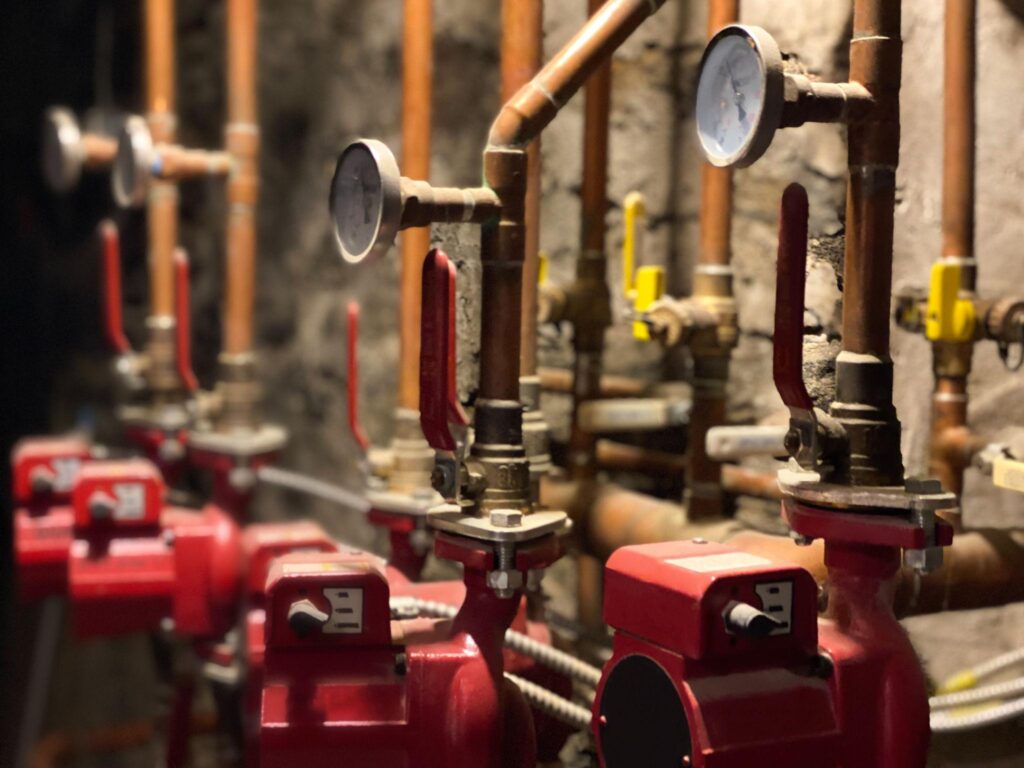
Average Lifespan of Common Plumbing Pipes
Not all pipes are created equal, and the material matters more than most homeowners realize.
Here’s a practical breakdown of what you can expect from each type:
Copper pipes are one of the most durable options in residential plumbing, typically lasting 50 to 70 years. Many older homes with copper systems are still running just fine, though water chemistry and soil conditions can shorten that range.
PEX pipes (cross-linked polyethylene) are a newer flexible plastic option that’s become popular in modern construction. They carry a general lifespan estimate of 40 to 50 years, though long-term field data is still developing since widespread residential use is more recent.
PVC pipes are most commonly used for drain and waste lines rather than pressurized supply lines. Under normal conditions, they last anywhere from 25 to 40 years, though UV exposure and certain chemical interactions can cause them to degrade faster.
CPVC pipes (chlorinated polyvinyl chloride) are used for hot and cold water supply lines and tend to hold up well, with an estimated lifespan of 50 to 75 years. They can become brittle over time, especially in areas with extreme temperature swings.
Galvanized steel pipes were standard in homes built before the 1960s and are now considered well past their prime in most cases. They have a lifespan of roughly 20 to 50 years, but many are already at or beyond that range. Corrosion and mineral buildup inside these pipes are ongoing concerns.
Factors That Affect Plumbing Pipe Lifespan
Age and material type give you a starting point, but several other variables shape how long your pipes actually hold up:
Water quality. Hard water deposits minerals inside pipes over time, narrowing flow and accelerating corrosion. Acidic water can eat away at copper and metal pipes from the inside out.
Installation quality. Poorly joined connections, improper support, or the wrong material chosen for a specific application can cause failure well before a pipe’s expected lifespan.
Water pressure. Consistently high water pressure puts ongoing stress on pipes and joints. Most residential systems operate between 40 and 80 psi, and consistently high pressure can accelerate wear.
Age of the home. Older homes are more likely to have aging materials, outdated configurations, or pipes that have already absorbed decades of wear without ever being inspected.
Temperature fluctuations. Pipes in unconditioned spaces, like attics, garages, and exterior walls, are vulnerable to freezing and thawing cycles that stress joints and cause cracks over time.
Maintenance and inspections. Pipes that are periodically inspected and have small issues addressed promptly simply last longer than those that go unchecked for years.
Warning Signs Plumbing Pipes Are Failing
Your pipes will usually give you signals before they fail completely. Catching these early can mean the difference between a minor repair and a major restoration project:
Discolored water. Brown, yellow, or rust-tinted water coming from your taps is a common sign of corroding pipes, particularly in homes with older galvanized steel systems.
Low water pressure. A gradual or sudden drop in pressure throughout your home can point to mineral buildup, internal corrosion, or a developing leak somewhere in the line.
Frequent leaks. One leak can be a fluke. Two or three in a short span of time is a pattern, and patterns in older pipe systems usually indicate broader deterioration rather than isolated incidents.
Visible corrosion or rust. Any green staining around copper fittings or orange rust around steel pipes is a sign that corrosion is already underway and worth investigating further.
Unusual noises. Banging, rattling, or persistent gurgling in your pipes can signal pressure issues, loose support, or blockages that put extra stress on the system.
Water stains or damage on walls and ceilings. Discoloration, bubbling paint, or soft spots in drywall near plumbing runs often indicate a slow leak that’s been happening longer than you’d want.
Maintenance Tips to Extend Pipe Life
Pipes age whether you pay attention or not, but consistent care goes a long way toward keeping small problems from becoming expensive ones:
Monitor water pressure regularly. A simple pressure gauge, available at any hardware store, lets you check whether your system is running within a safe range. If it’s consistently above 80 psi, a pressure regulator is a worthwhile investment.
Check for leaks routinely. Inspect visible pipes under sinks, around water heaters, and in utility spaces a few times a year. Look for dampness, mineral deposits, or discoloration around joints and connections.
Insulate exposed pipes. Pipes in unheated spaces are vulnerable to freezing. Foam pipe insulation is inexpensive and significantly reduces the risk of cold-weather damage.
Address corrosion early. A small green or rust-colored stain around a fitting is easy to dismiss. It shouldn’t be. Early corrosion caught and treated before it spreads is far less costly than dealing with a failed joint or a burst line.
Schedule periodic professional inspections. A licensed plumber can assess pipe condition, check water pressure, identify hidden leaks, and flag materials that may be approaching the end of their useful life.
Repair vs. Replace Plumbing Pipes
This decision depends on a few key factors considered together, not in isolation.
If the system is relatively young and the problem is limited to a single section or joint, repair is usually the right call. A licensed plumber can address the specific issue without disrupting the rest of the system, and the repaired pipes can continue to serve the home reliably.
Replacement becomes the more practical path when the pipe system is aging out of its expected lifespan, when leaks are recurring across different areas of the home, or when the material itself is the underlying issue. Galvanized steel pipes that have been corroding for decades aren’t a repair problem; they’re a replacement conversation. The cost of ongoing reactive repairs in an aging system often exceeds the cost of a planned repipe over time.
The extent of the damage matters too. Localized corrosion or a single failing joint is a different conversation than widespread deterioration across supply lines throughout the home. A professional evaluation gives you a clear picture of what you’re actually dealing with before you commit to either path.
Homeowners may also want to compare replacement timelines across other major home systems before making a final decision.
FAQs
How long do copper pipes last?
Copper pipes typically last between 50 and 70 years. Water chemistry plays a significant role; acidic or highly chlorinated water can cause copper to corrode faster than average.
How long do PEX pipes last?
PEX pipes are generally rated for 40 to 50 years. They’re a popular choice in new construction and remodels due to their flexibility and resistance to freezing, though they have less long-term field history than copper.
Should old pipes be replaced before they fail?
In many cases, yes. Proactive replacement of pipes that are nearing or past their expected lifespan, especially in high-use areas or in materials like galvanized steel, is often more cost-effective than waiting for failure. A licensed plumber can assess whether your specific system warrants that conversation.
What type of plumbing pipes last the longest?
Copper and CPVC pipes tend to have the longest rated lifespans among common residential materials, both approaching or exceeding 50 years under good conditions. Cast iron drain pipes, found in older homes, can also last well over 50 years when properly maintained.
How do you know when pipes need to be replaced?
Recurring leaks, discolored water, significant corrosion, a consistent drop in water pressure, and pipes that are already at or beyond their expected lifespan are all indicators worth discussing with a licensed plumber. Age combined with visible symptoms is usually the clearest signal.
Conclusion
Plumbing pipes are designed for the long haul, but material and conditions vary more than most homeowners expect. Understanding the general lifespan of your pipe material gives you a practical baseline, while knowing the warning signs puts you ahead of problems before they become costly. Consistent maintenance, periodic inspections, and addressing small issues early are the habits that keep a healthy system running longer. When age and wear begin stacking up together, replacement is often the smarter long-term investment.
Leave a Reply