Most sump pumps last between 7 and 10 years, though some will keep running reliably for longer with the right care. If your pump sits in a dry basement and rarely kicks on, it may outlast one that runs several times a day during heavy rain seasons.
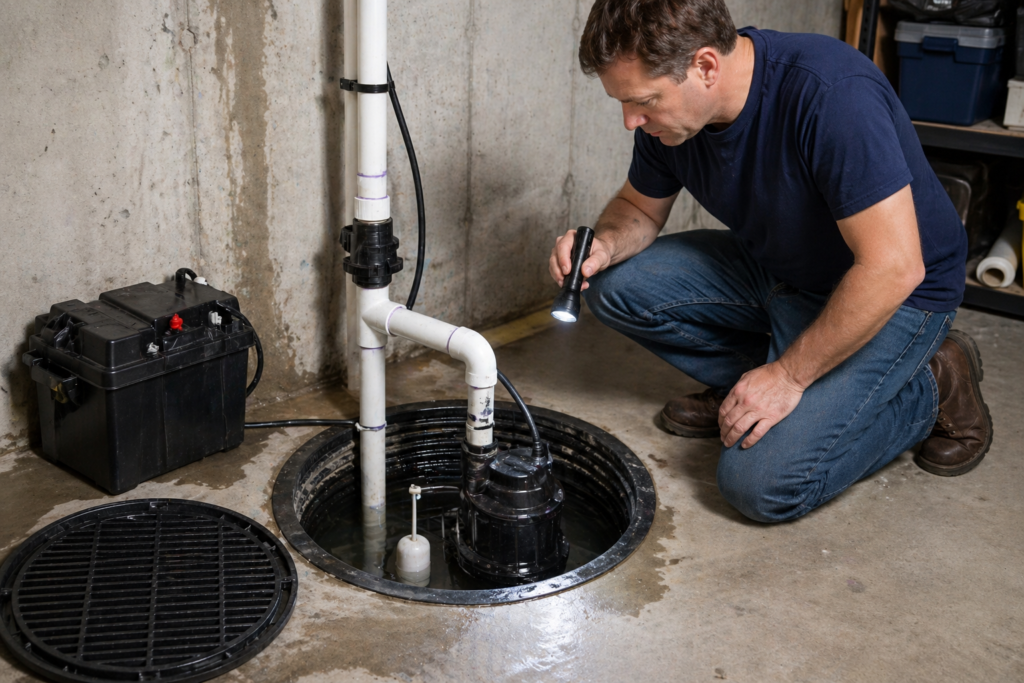
Lifespan varies because every home’s situation is different. A pump in a region with a high water table works much harder than one in a drier climate. How well the unit is maintained, how it was installed, and even how often the power flickers during storms can all affect how long it holds up. Knowing what influences your pump’s lifespan, and what to watch for as it ages, can help you avoid the one thing no homeowner wants: a flooded basement.
Average Sump Pump Lifespan
The typical sump pump lasts 7 to 10 years under normal conditions. Some units fall short of that range with heavy use or poor maintenance, while others push past 10 years when they are well cared for and not overworked.
The type of pump also matters. Pedestal sump pumps, where the motor sits above the water on a mounted shaft, tend to last longer because the motor stays dry. They are easier to access for maintenance and repairs. Submersible sump pumps sit directly inside the pit and are submerged when water rises. They are generally quieter and more powerful, but the motor is exposed to moisture, which can shorten its lifespan over time.
Neither type is universally better. The right choice depends on your pit size, how much water your basement collects, and how hands-on you want to be with upkeep.
Factors That Affect Sump Pump Lifespan
Several things influence how long a sump pump lasts, and most of them come down to the conditions the pump operates in day to day.
- Frequency of use: A pump that runs constantly due to a high water table wears out faster than one that only activates a few times a year. More cycles mean more wear on the motor, float switch, and impeller.
- Maintenance habits: Pumps that are tested and cleaned regularly tend to last longer. Neglected units can develop buildup, rust, and mechanical issues that compound over time.
- Power supply and cycling frequency: Frequent power outages or voltage fluctuations put added stress on the motor. Short cycling, where the pump turns on and off rapidly, is especially hard on internal components.
- Quality of installation: A poorly installed pump can vibrate excessively, develop air locks, or sit at the wrong height in the pit. These issues accelerate wear even if the unit itself is well-made.
- Debris and sediment in the pit: Gravel, sand, and other debris can clog the intake screen and force the motor to work harder than it should. Over time, this reduces efficiency and shortens the pump’s useful life.
Warning Signs a Sump Pump Is Failing
Sump pumps usually give some warning before they quit completely. Catching these signs early can mean the difference between a quick fix and a flooded basement.
- Pump runs constantly or won’t turn on: A pump that never stops running may have a stuck float switch or be undersized for the amount of water it is managing. One that fails to start at all could have a burned-out motor or a tripped circuit.
- Unusual noises or vibrations: Grinding, rattling, or loud humming during operation often points to worn bearings, a damaged impeller, or debris caught in the system.
- Visible rust or physical damage: Rust on the pump body or discharge pipe can indicate prolonged moisture exposure. Cracks or visible corrosion are signs the unit may be compromised structurally.
- Frequent cycling: If the pump kicks on and off every few minutes without heavy rainfall, the float switch may be malfunctioning or the pit may be too small for the volume of water.
- Water not being removed effectively: Standing water in the pit after the pump has run, or water backing up into the basement, suggests the pump is losing the ability to do its job.
Any of these signs, especially in an older unit, is worth taking seriously.
Maintenance Tips to Extend Sump Pump Life
Routine maintenance goes a long way toward keeping a sump pump reliable. A little attention a few times a year can add years to its life.
- Test the pump regularly: Pour a bucket of water into the pit to confirm the float switch activates and the pump removes water quickly. Do this at least once or twice a year, and always before rainy season.
- Clean the sump pit: Remove any debris, sediment, or buildup from the bottom of the pit. A clean pit reduces the risk of clogs and keeps the intake screen clear.
- Check the discharge line: Make sure the pipe that carries water away from your home is free of blockages and draining at least 10 feet away from the foundation. A clogged or misdirected discharge line can cause water to cycle back into the pit.
- Inspect the float switch: The float switch tells the pump when to turn on and off. Make sure it moves freely and is not tangled or obstructed by the pump cord or pit walls.
- Consider backup power: A battery backup or water-powered backup pump can keep your basement protected during a power outage, which is often when heavy storms, and the most water, arrive.
These steps are simple, but they make a real difference in how long a pump stays dependable.
Repair vs Replace a Sump Pump
When a sump pump starts having problems, the decision to repair or replace it depends on a few practical factors.
Age of the unit is usually the first thing to consider. If the pump is under 5 years old and the issue is minor, a repair often makes sense. Once it reaches 7 to 10 years, replacement tends to be the smarter long-term move.
Reliability during heavy use matters too. If the pump has struggled to keep up during past storms or has needed multiple repairs, that pattern is unlikely to improve as the unit continues to age.
Repair frequency is a strong indicator. One repair over the life of the pump is reasonable. Repeated service calls suggest the pump is at the end of its useful life, and the cost of ongoing repairs can quickly approach the price of a new unit.
Risk of basement flooding should weigh heavily in the decision. A sump pump is the last line of defense against water damage. An unreliable pump in a flood-prone basement is a much bigger risk than the cost of replacing it proactively.
Homeowners may also want to compare replacement timelines across other major home systems before making a final decision.
FAQs
How long do sump pumps usually last?
Most sump pumps last between 7 and 10 years. Lifespan varies based on how often the pump runs, how well it is maintained, and the quality of the original installation.
How often should a sump pump be replaced?
A good rule of thumb is to evaluate your pump around the 7-year mark. If it is showing warning signs or has required frequent repairs, replacement is worth considering before it fails completely.
What causes sump pumps to fail early?
Common causes include debris in the pit clogging the intake, frequent power fluctuations stressing the motor, short cycling from an improperly sized unit, and lack of regular maintenance.
Should I replace a sump pump before it fails?
In many cases, yes. Proactive replacement, especially in a home with a high water table or a history of basement flooding, reduces the risk of a surprise failure during a heavy storm when you need the pump most.
Do backup sump pumps last as long as primary units?
Battery backup pumps typically have a shorter lifespan than primary pumps because their batteries need to be replaced every 3 to 5 years. Water-powered backups do not rely on batteries but require adequate water pressure to operate. Regular testing applies to backup systems just as it does to primary pumps.
Conclusion
Sump pumps typically last 7 to 10 years, with lifespan shaped by how hard the pump works, how well it is maintained, and the conditions it operates in. Recognizing the early warning signs of failure can help homeowners act before a small problem turns into a costly water emergency. Simple habits like testing the pump seasonally, cleaning the pit, and checking the discharge line can extend its useful life significantly. When repairs become frequent or the unit is approaching the end of its expected range, replacement is usually the more reliable and practical choice.
Leave a Reply