If you own a washing machine, you’re probably wondering how long it will last before needing repair or replacement. Most modern washers can run for many years, but how long they actually last depends on how often they are used, how they are cared for, and how well they were installed in the first place.
Not all washers age the same way. Factors like washer type, load size, detergent use, and maintenance habits all make a difference. This guide explains what you can expect from your washer’s lifespan, the warning signs that something is wrong, easy ways to keep it running smoothly, and how to decide whether to repair or replace your machine.
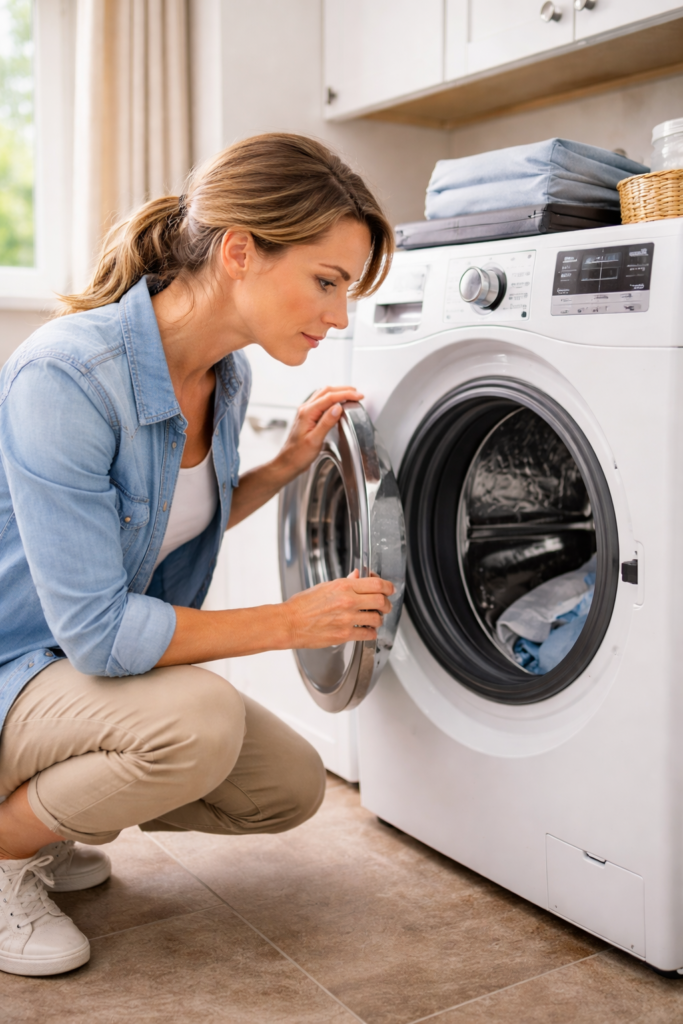
How Long Do Washing Machines Usually Last?
On average, a washing machine lasts between 10 and 15 years. Some may stop working sooner, while others may keep going well beyond that, especially if they’re well-maintained. The type of washer, how often it’s used, and how it’s cared for all play a role in its longevity.
Every washer design also puts a different amount of stress on its parts. Understanding these differences helps you plan ahead and set realistic expectations.
Typical Lifespan by Washer Type
- Top-load washers with agitators: These classic models have a tall spindle in the center. They are simple, sturdy, and often last 12 to 15 years. Their shorter wash cycles and basic design can help them last longer.
- Top-load washers with impellers: These use a small spinning plate instead of an agitator and often last 10 to 13 years. They may wear out faster if used for heavy loads too often.
- Front-load washers: These water-efficient models usually last 10 to 14 years. They save on water but can develop mold or odor problems if not cleaned and aired out regularly.
- High-efficiency (HE) models: HE washers typically last 10 to 15 years. It is important to use the right HE detergent and the correct amount to avoid buildup that shortens lifespan.
- Compact or apartment-size washers: Smaller washers tend to last 8 to 12 years. Since they handle frequent loads in less space, their parts often wear out faster.
- Stackable washer and dryer units: These typically last 10 to 14 years. Keeping them level and balanced helps reduce vibration that can loosen components.
While these averages vary by model, real-world performance depends on care and use. For example, a gently used front-loader with regular maintenance may outlast a top-loader that runs several times a day. Consistent upkeep usually matters more than washer type alone.
What Can Shorten or Extend a Washer’s Life
Daily laundry habits can have a big impact on how long your appliance lasts. A few simple habits can keep your machine in better shape for years.
Here are the main factors that influence your washer’s lifespan.
- Load size and frequency: Constantly overloading the washer or doing too many loads in one day puts pressure on the motor, bearings, and suspension system. Even large-capacity models have limits.
- Detergent use: Using too much detergent or the wrong kind can leave residue inside the drum and hoses. Over time, this buildup damages internal parts and reduces performance.
- Water quality: Hard water can cause mineral scale inside the machine. This buildup clogs valves, reduces heating efficiency, and increases wear on parts.
- Level and stability: A washer that is not properly leveled can shake during spin cycles, causing bolts to loosen or internal parts to wear out faster.
- Maintenance and cleaning: Regular upkeep prevents small issues from turning into major mechanical problems. Cleaning also keeps the washer efficient and odor-free.
- Environment: Units kept in damp or humid spaces often develop rust or electrical issues sooner than those stored in well-ventilated areas.
Signs Your Washer Might Be Wearing Out
A washing machine will usually start showing symptoms before it completely breaks down. Recognizing these signs early can save you from repairs or water damage later.
- Leaks: Water pooling around or under the machine can mean cracked hoses, worn seals, or loose connections. Even minor drips should be repaired quickly.
- Unusual noises: Grinding, banging, or squeaking sounds often come from worn bearings, loose bolts, or problems with the motor. A sudden change in sound is usually a red flag.
- Failure to drain or spin: If clothes come out soaking wet or water stays in the drum, the problem might be a clogged pump or faulty motor. These issues tend to get worse if ignored.
- Shaking or moving: Excessive vibration or shifting during the cycle may point to balance or suspension problems. Leveling the washer can reduce strain and prevent further wear.
- Rust or musty odors: These are common signs of trapped moisture inside the drum or parts that are not drying properly. Over time, this buildup can lead to mold or corrosion.
- Error codes or stopped cycles: Digital washers that stop mid-cycle or repeat the same error often have electronic or mechanical issues that require servicing.
Easy Maintenance Tips for a Longer-Lasting Washer
A little preventative care goes a long way toward keeping your washer running smoothly. These simple habits can extend their lifespan and improve performance.
- Clean the drum, detergent drawer, and rubber gasket regularly.
- Check hoses for signs of wear and replace them every few years.
- Avoid overloading the machine and follow recommended capacity guidelines.
- Use the correct detergent for your washer type and measure accurately.
- Keep the unit level to avoid vibration during the spin cycle.
- Leave the door or lid open after each load to help the interior dry.
- Fix small leaks or performance problems right away.
When to Repair or Replace
Choosing between repairing and replacing a washing machine depends largely on its age and history. Once a washer reaches about ten years of service, repairs tend to become more frequent and expensive.
If the unit is relatively new and has performed well, a simple repair may be worth it. However, if leaks, loud noises, or electrical issues keep returning, replacement may be the better long-term solution.
It is also important to factor in safety. Persistent water leaks and electrical faults can cause serious damage if left unchecked. In such cases, replacing the unit is usually safer and more cost-effective.
The Bottom Line
Understanding how long a washer should last makes it easier to plan for maintenance, repair, or replacement when the time comes. Most washers last between 10 and 15 years, depending on care and usage. By maintaining good habits, cleaning regularly, and paying attention to early warning signs, you can extend the life of your washing machine. When frequent breakdowns start adding up, it is usually a good time to invest in a new model built for another decade of reliable service.
Leave a Reply